Mobile application using Laravel and React Native
Capital city drives 25% tourism revenue growth with mobile platform
Our integrated mobile solution revolutionized the tourism ecosystem, delivering a 50% reduction in administrative workload and significant growth in visitor engagement and local business revenue.
Background
A capital city attracting millions of visitors annually and serving as the primary economic engine for its region needed to modernize how it managed, promoted, and monetized its tourism ecosystem.
The city's tourism authority oversees thousands of local businesses, cultural institutions, and licensed tour operators. Despite strong visitor numbers, the infrastructure supporting that traffic was built for a different era. The gap between the city's reputation and its operational capability was costing real revenue.
Client details are anonymized at their request. Full context available on request during our discovery call.

Challenge
Legacy booking systems creating friction and abandoned reservations
Manual administrative processes consuming resources that should fund growth
Fragmented visitor journeys across discovery, booking, and payment
Local businesses with no effective channel to reach tourists directly

Solution
We engineered a dual-platform solution: a consumer-facing iOS and Android application and an enterprise-grade admin panel for city officials, built on React Native and Laravel.

Results
25% increase in tour bookings and app-generated revenue
50% reduction in operational workload and administrative costs
200+ local businesses onboarded to the platform within the first 90 days
10% reduction in negative tourist feedback within the first quarter
Let’s chat
Discuss your project with our founders and get expert advice.
Challenges
Despite strong visitor numbers and a well-established global reputation, the tourism authority was operating on infrastructure that actively constrained growth:
- Revenue Ceiling: The existing booking system had no modern payment capabilities. Visitors encountered friction at every conversion point, discovery, reservation, and checkout, leading to abandoned bookings and revenue that went to competitors with better digital infrastructure.
- Operational Cost Drain: Tour management, guide verification, and visitor feedback were all handled manually. The administrative burden was consuming resources that should have been directed toward strategic growth, new partnerships, and visitor experience improvements.
- Broken Visitor Journey: Discovery, booking, and payment lived in separate systems with no unified experience connecting them. Visitors dropped off between touchpoints, and the city had no visibility into where or why.
- Invisible Local Economy: Restaurants, cultural venues, and independent operators had no effective platform to reach tourists. Economic benefit concentrated in a narrow corridor of established businesses while the broader local economy went underserved.
Our solution
We delivered a unified digital platform engineered for revenue growth, operational efficiency, and local economic distribution.
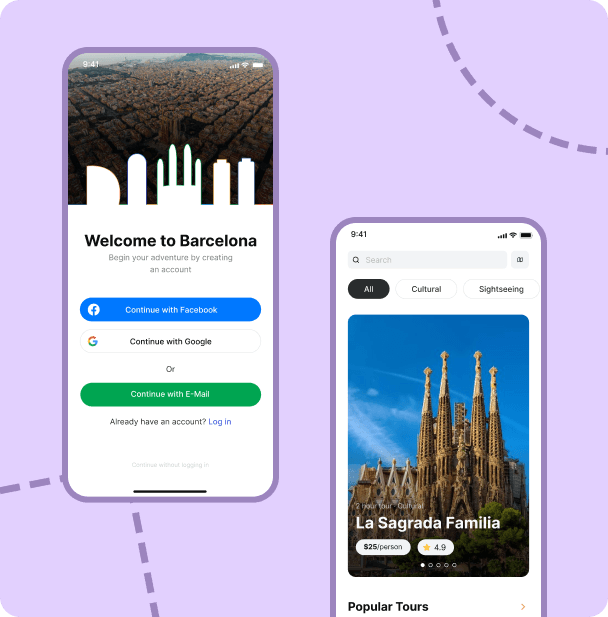
Mobile experience engineered for conversion
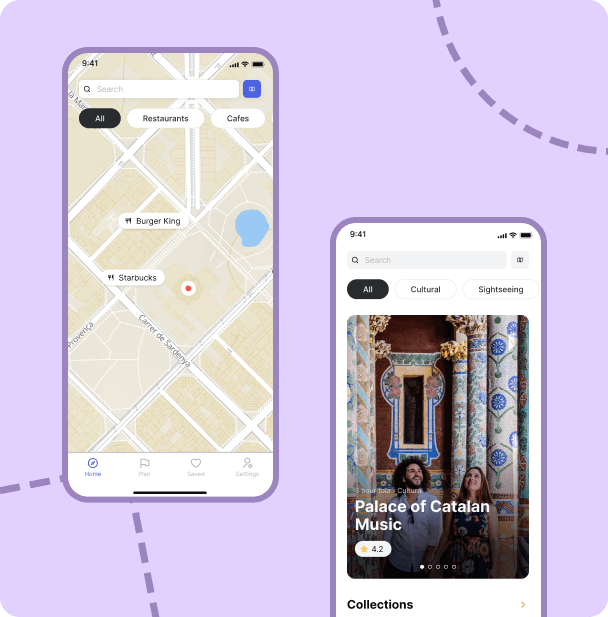
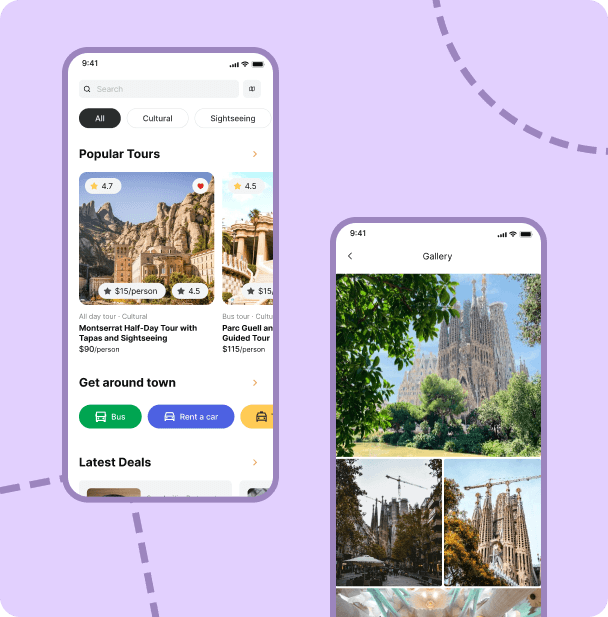
We developed a sophisticated iOS and Android application that transforms how visitors discover, book, and experience the city — featuring intuitive navigation, curated visual design, and a booking flow with zero unnecessary steps.
Why this matters: Every point of friction between a visitor's intent and a completed booking is lost revenue. A unified, well-designed mobile experience directly increases conversion rates, average booking value, and the likelihood of return visits, all measurable outcomes for a tourism authority with economic targets to hit.
Technical deep dive: Using React Native, we built a high-performance app for both platforms with a single codebase. This cut development time significantly, ensured feature parity across iOS and Android from day one, and simplified long-term maintenance for the city's technical team.
Payment Infrastructure Built to Remove Abandonment
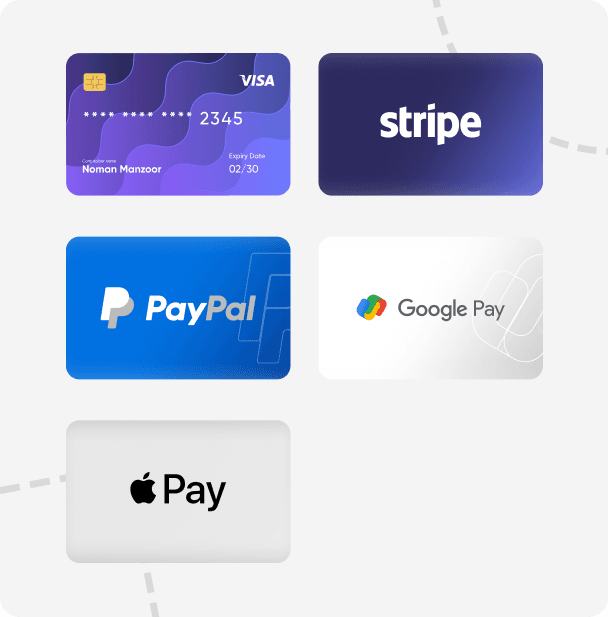
We engineered a streamlined booking and multi-payment processing system supporting credit cards, PayPal, Apple Pay, and Google Pay, covering the full spectrum of how international and domestic visitors prefer to pay.
Why this matters: Payment failure and limited payment options are among the highest-impact causes of booking abandonment in tourism platforms. Supporting every major payment method, with a checkout flow that requires minimal input, directly converts intent into completed transactions. For an international destination, this is not a nice-to-have, it is revenue infrastructure.
Technical deep dive: Our payment architecture was built for compliance and resilience. Each gateway integration was implemented with its own failure handling and fallback logic, ensuring that a single provider outage never breaks the checkout experience.
City-Scale Tourism Management
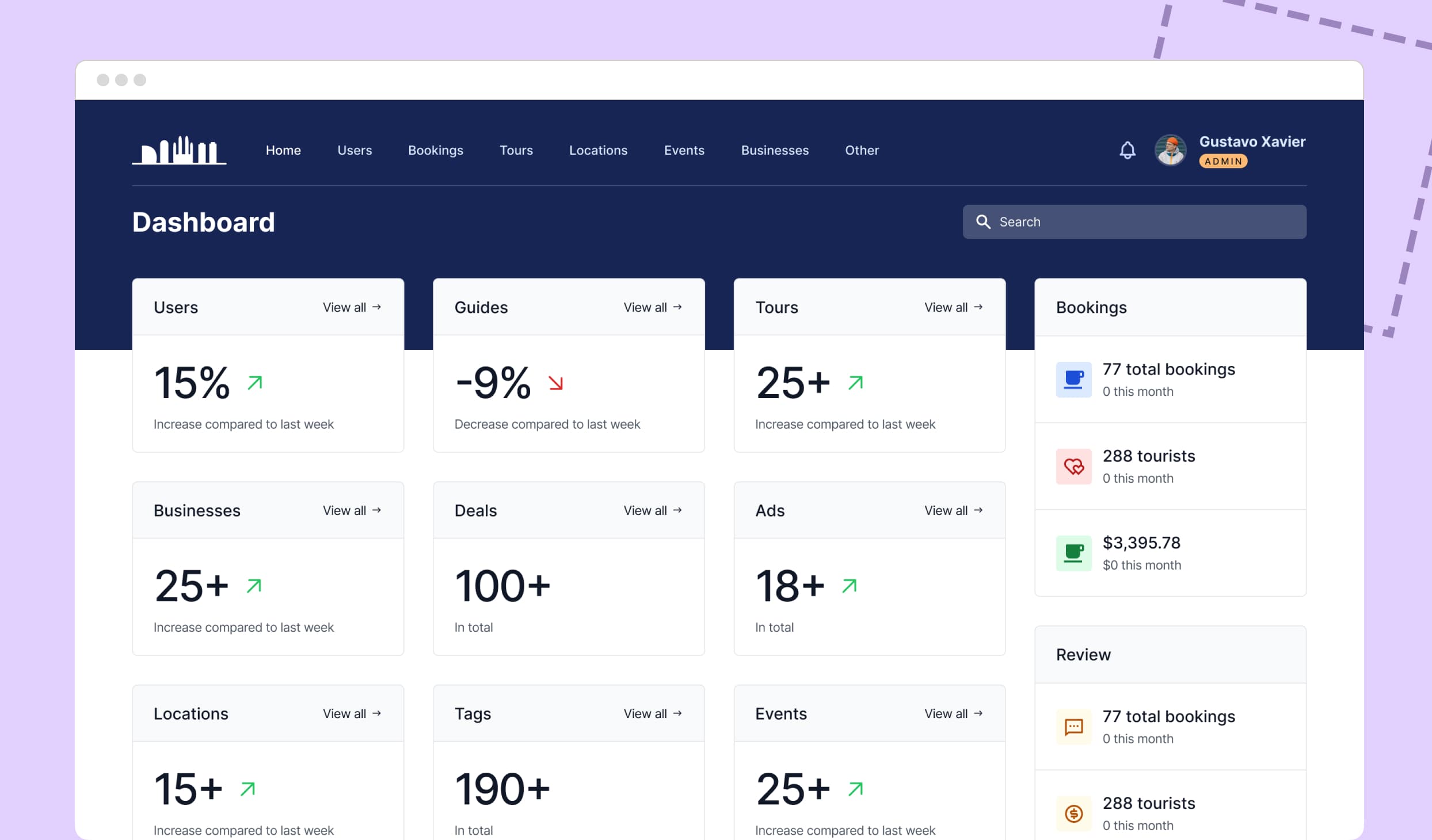
We built a professional Laravel admin panel that gives city officials real-time visibility into platform performance, including automated tour management, guide verification workflows, revenue analytics, and integrated visitor feedback systems.
Why this matters: When administrative work is manual, it scales linearly with growth. Every new tour, guide, or booking creates more work. Automating these workflows means the city can scale its tourism offering without scaling its headcount, freeing the operations team to focus on strategy rather than data entry.
Technical deep dive: Laravel’s flexibility and clean codebase allowed us to create a secure and scalable admin panel. A role-based access system that cleanly separated city administrators, tour operators, and guide accounts, each with their own permissions, dashboards, and workflows. The admin panel communicates with the mobile app in real time, so inventory, availability, and feedback are always in sync.
Local Business Integration
We built dedicated marketplace functionality that enables local businesses and cultural events to list offerings directly within the tourist-facing app, creating a distribution channel that previously did not exist for the majority of the city's economy.
Why this matters: Tourism revenue that flows only to established operators has a ceiling. Expanding the platform to independent businesses, local restaurants, and cultural venues multiplies economic impact, improves the authenticity of the visitor experience, and generates positive reviews that compound over time. Within the first 90 days, over 200 local businesses had activated listings on the platform.
Data-driven tour performance
We implemented a tour presentation and performance layer with structured ratings, detailed operator profiles, and analytics fed directly into the admin panel, giving the tourism authority continuous visibility into which offerings are converting, which are underperforming, and why.
Why this matters: Without data, tour curation is guesswork. With it, the city can make evidence-based decisions about which operators to promote, which tours need improvement, and how to price and position inventory for maximum yield. This is the operational layer that makes the 25% booking growth sustainable rather than a one-time spike.
Technical deep dive: Visitor ratings and feedback are captured post-booking through an automated process. Aggregated data surfaces in the admin panel with trend views by tour, operator, and time period, giving officials the same visibility into their tourism product that a commercial platform would have over its inventory.
Let’s chat
Discuss your project with our founders and get expert advice.

The results
This platform delivered measurable impact across every dimension of the tourism authority's operation within the first quarter post-launch:
- 25% increase in tour bookings and app-generated revenue: Removing booking friction and unifying the discovery-to-payment journey converted existing visitor intent into completed transactions at a significantly higher rate than the legacy system.
- 50% reduction in operational workload and administrative costs: Automated tour management, guide verification, and feedback processing cut the manual administrative burden in half, freeing staff for strategic work and reducing operational overhead without reducing service quality.
- 200+ local businesses onboarded within 90 days: The marketplace functionality gave the broader local economy its first direct channel to tourists. Adoption exceeded projections in the first quarter, validating both the product design and the latent demand from local operators.
- 10% reduction in negative tourist feedback: A unified, friction-free experience across discovery, booking, and payment removed the most common sources of visitor frustration. Complaint volume dropped measurably within the first quarter of launch.
25%
Revenue Growth
50%
Operational Cost Reduction
200+
Local businesses
10%
Reduction of negative feedback
Why it worked
The previous system treated booking, operations, and local business visibility as three separate problems. We treated them as one.
When a visitor's experience is seamless from the moment they open the app to the moment they complete a tour, they spend more, complain less, and come back. When city officials have real-time visibility into what's working, they can optimize faster than any manual process allows. When local businesses have a direct channel to tourists, the economic impact of every visitor multiplies.
The platform worked because it was designed as an economic system, not a booking tool. Each component (mobile UX, payment infrastructure, admin panel, marketplace) was architected to reinforce the others. That integration is what turned individual feature improvements into compounding business outcomes.
Let’s chat
We partner with a limited number of brands each quarter to ensure senior-level attention on every project.

More projects like this
AI application using Laravel and OpenAI
Tech startup saves 960 hours with AI-powered automation